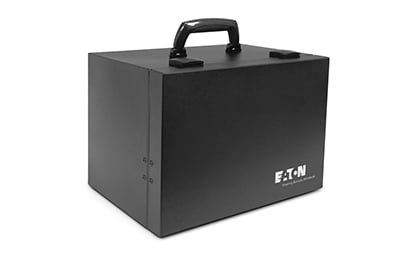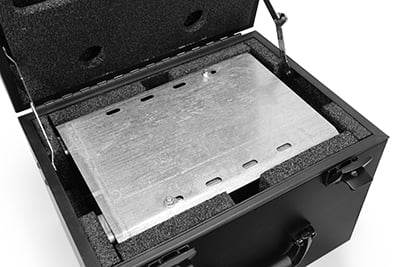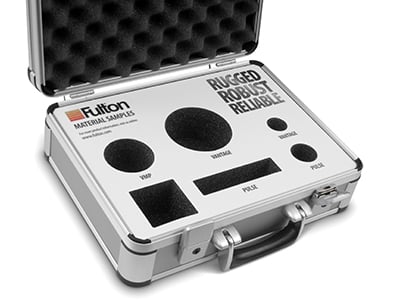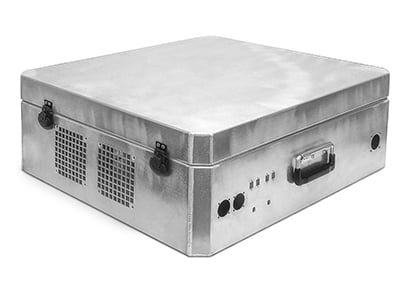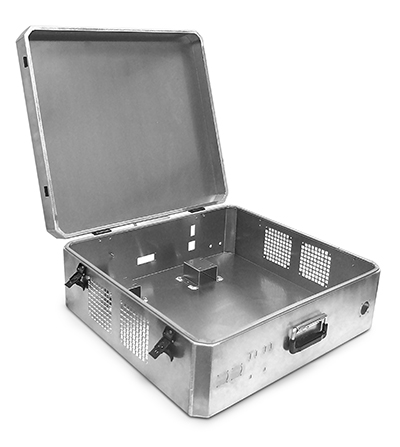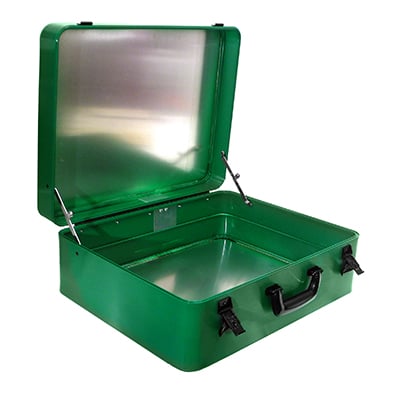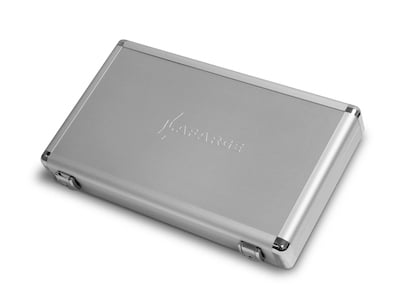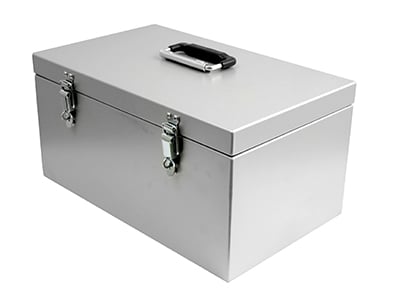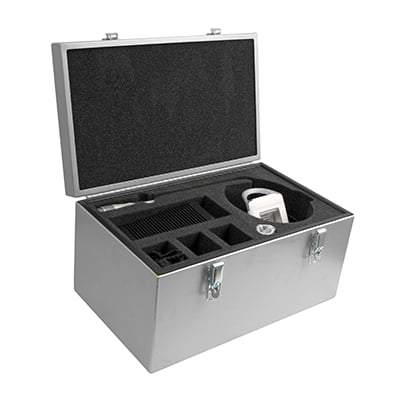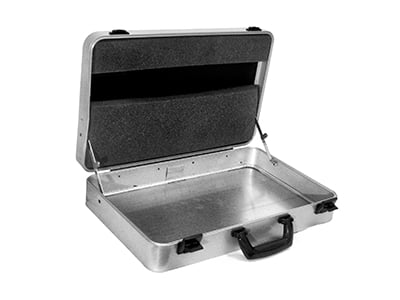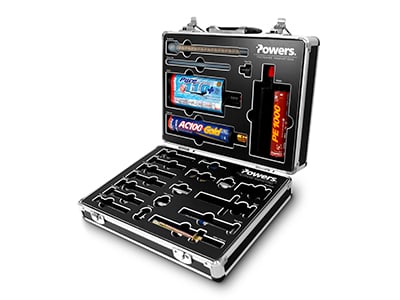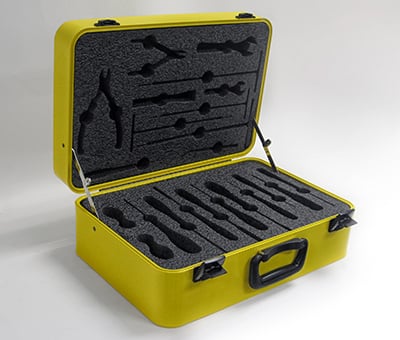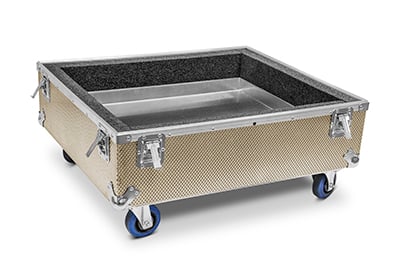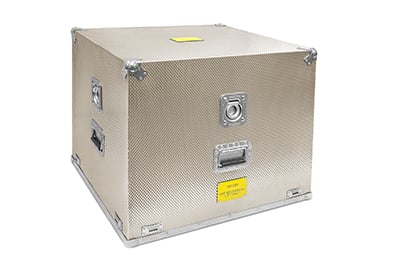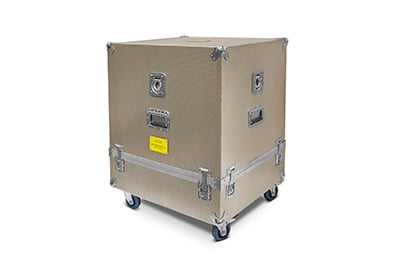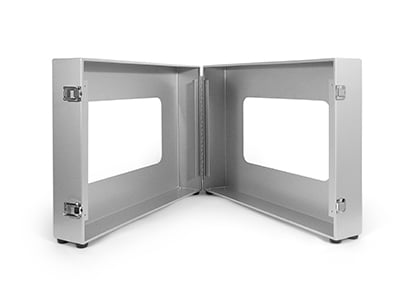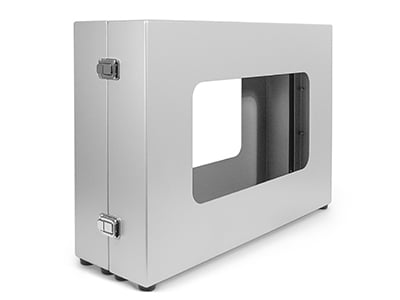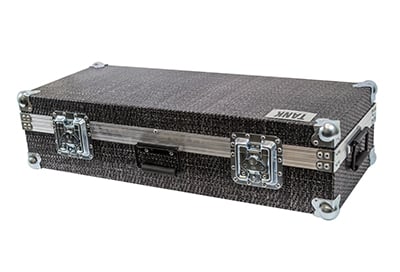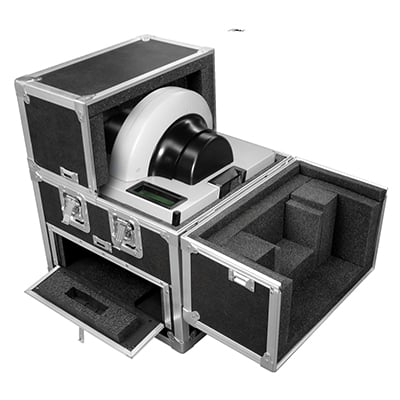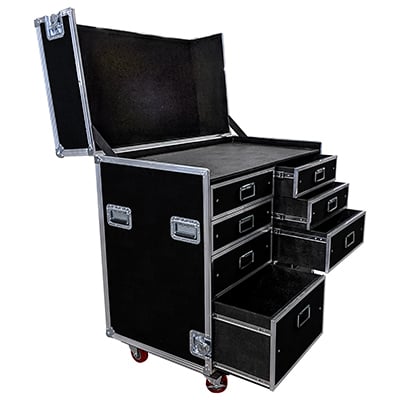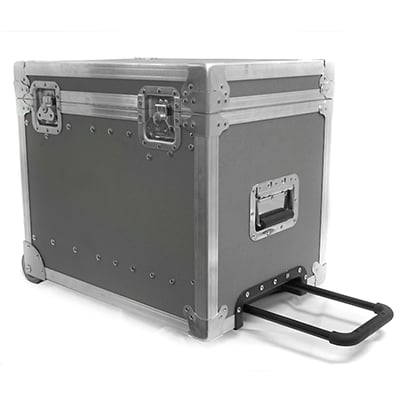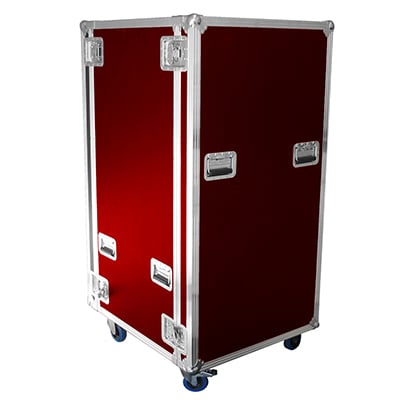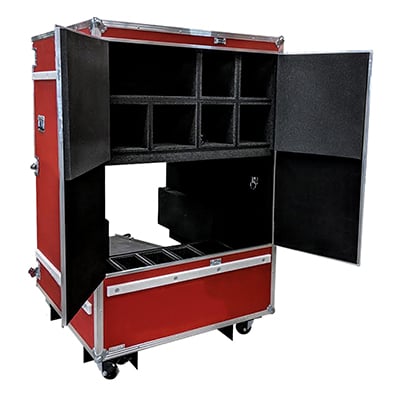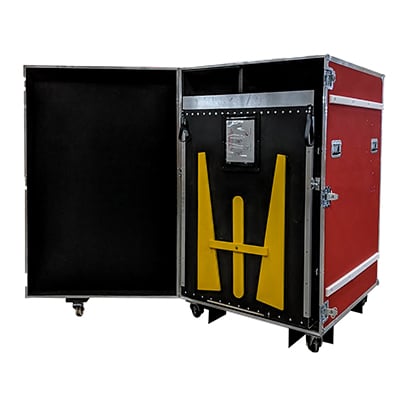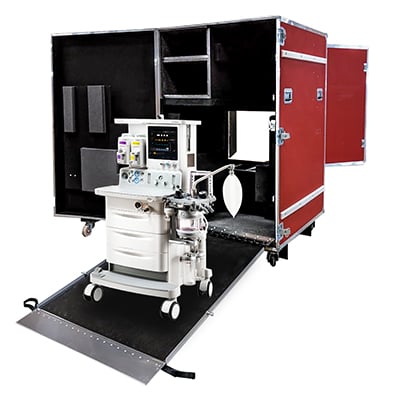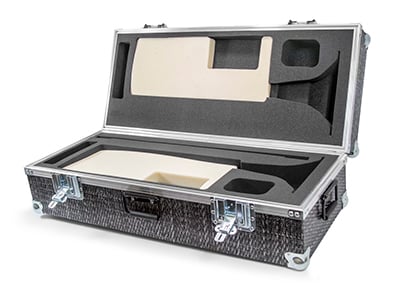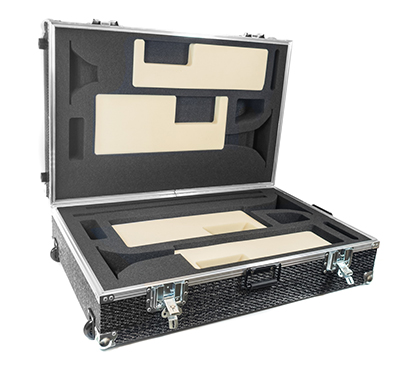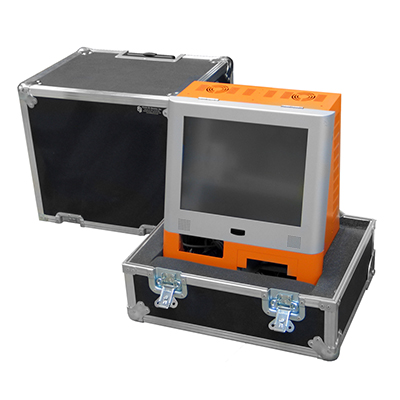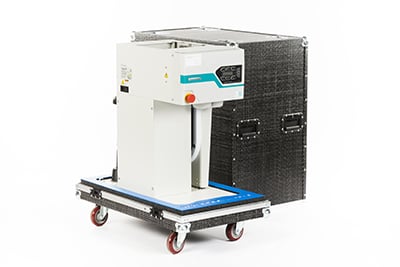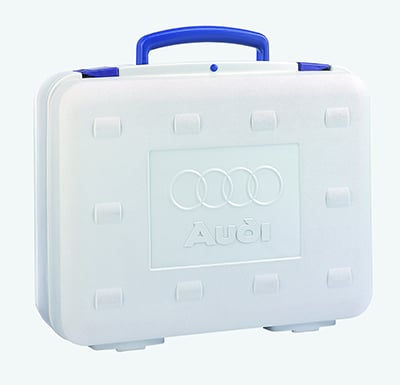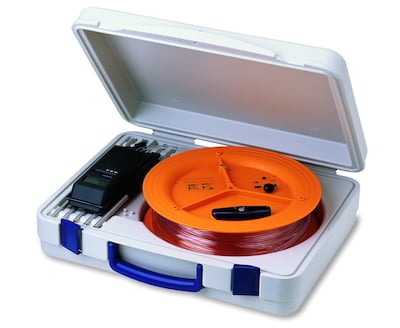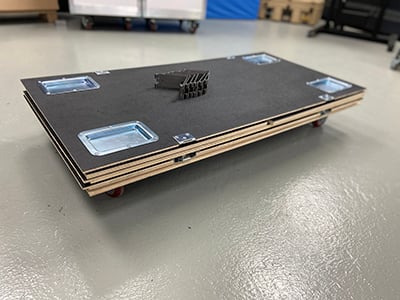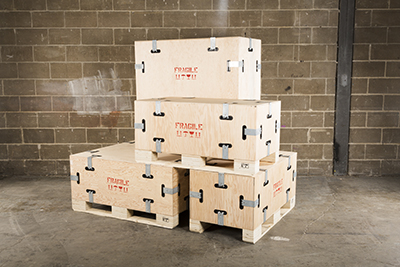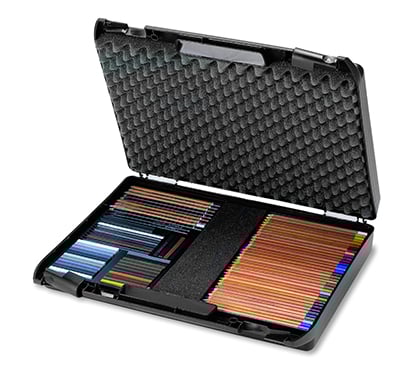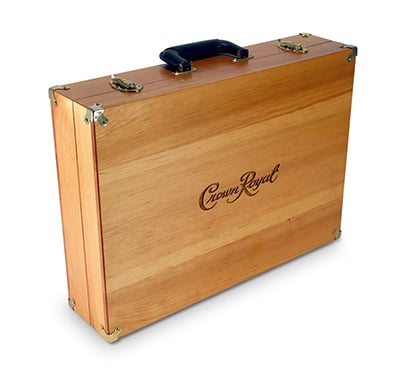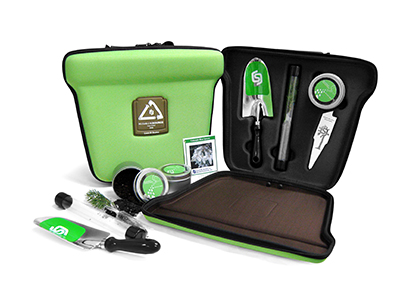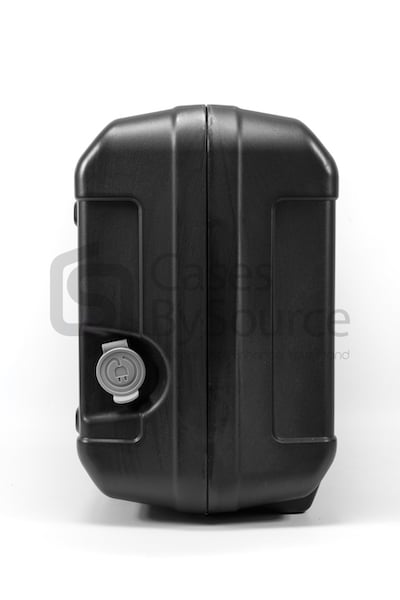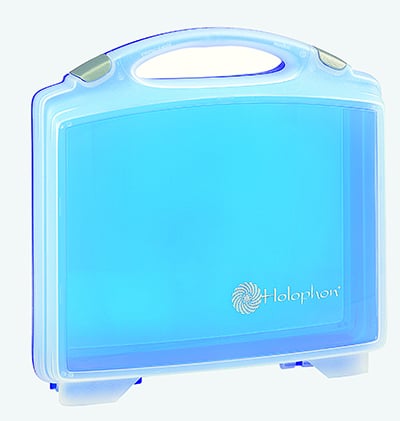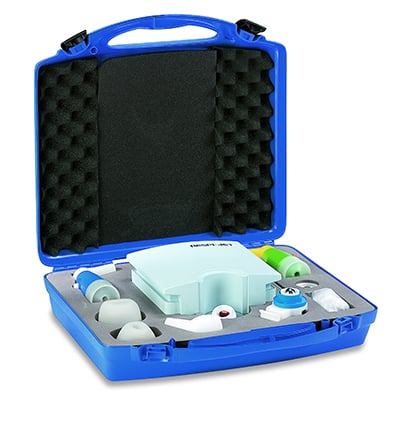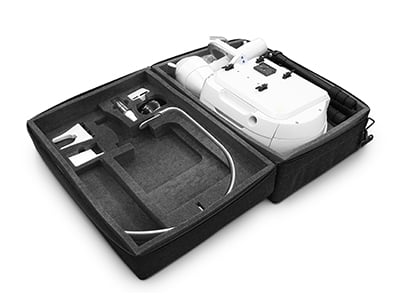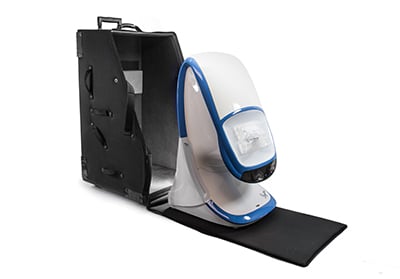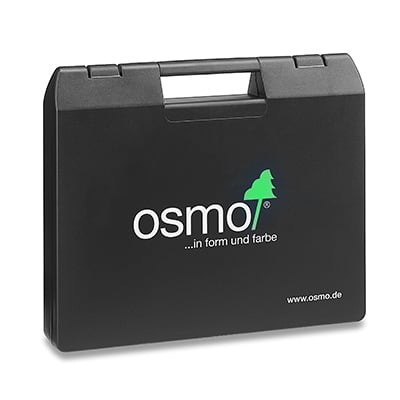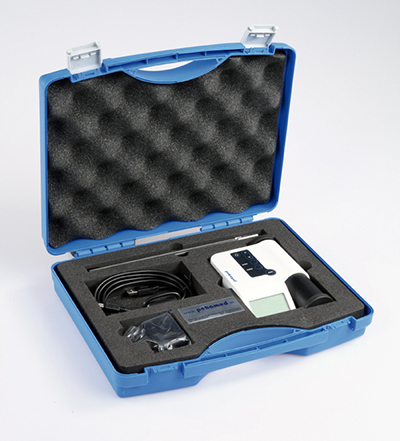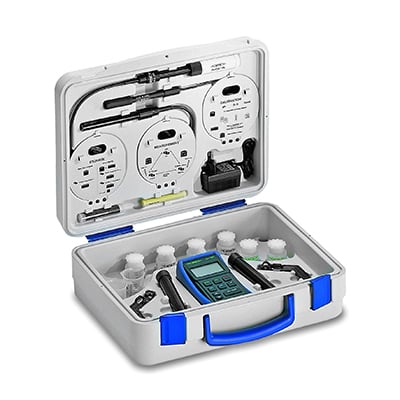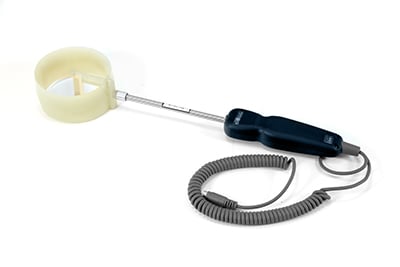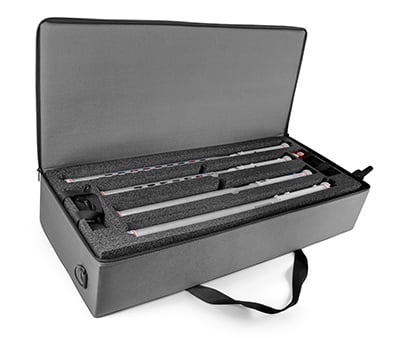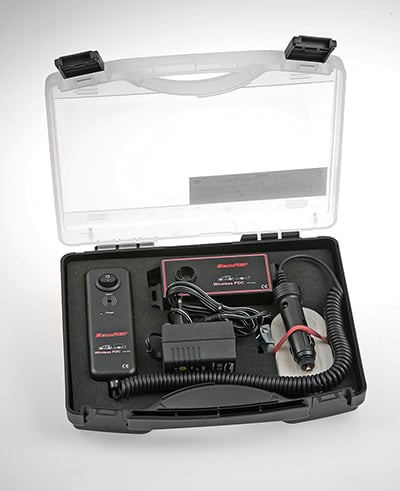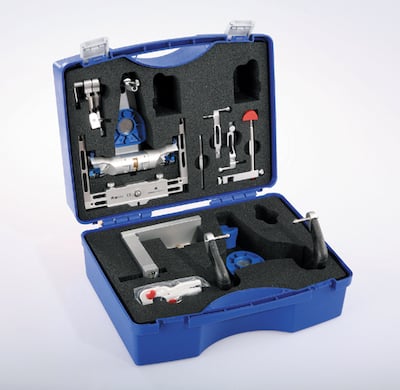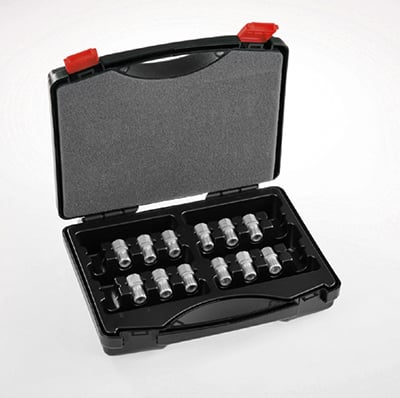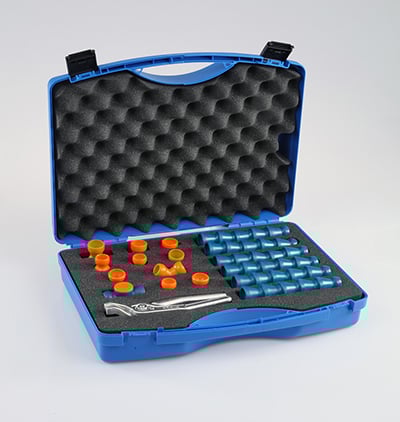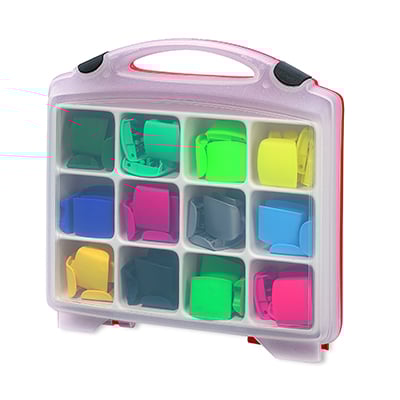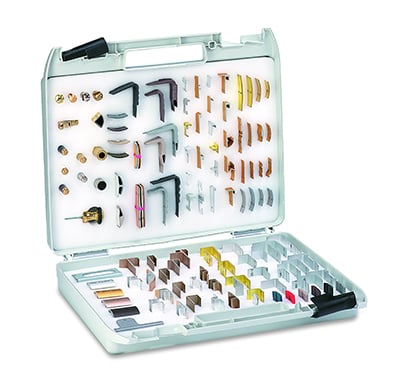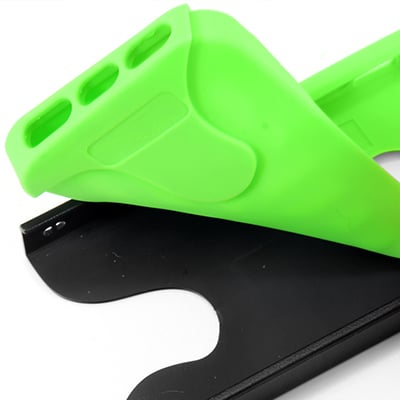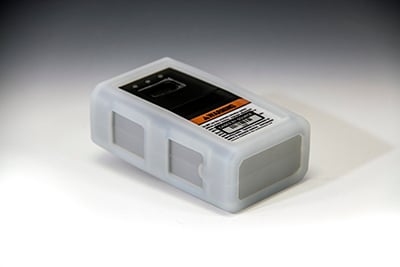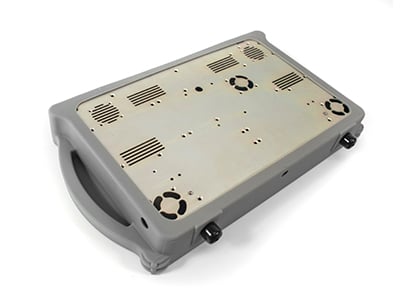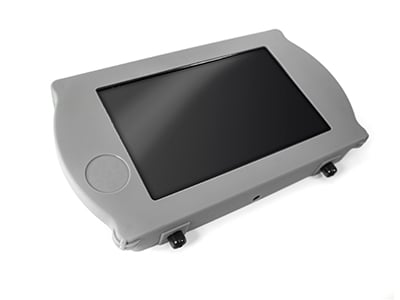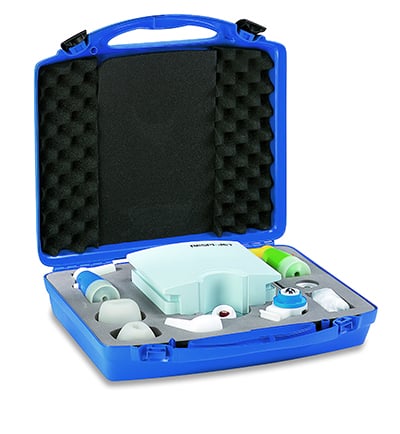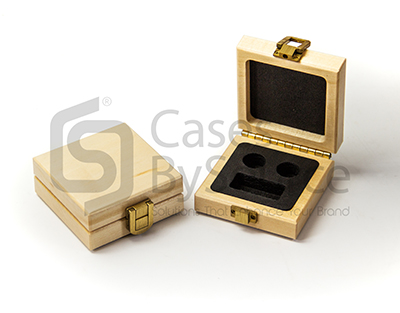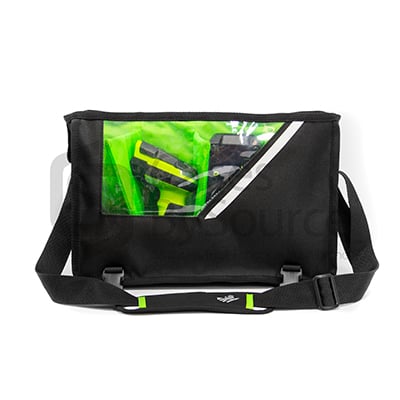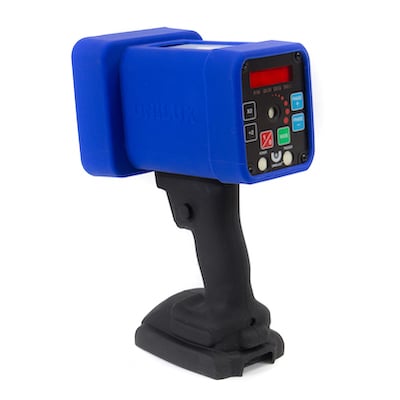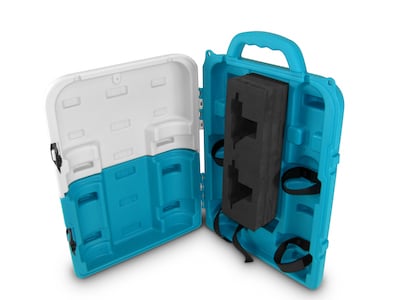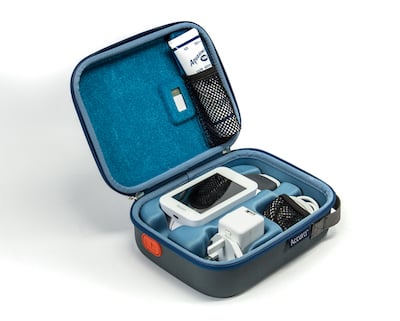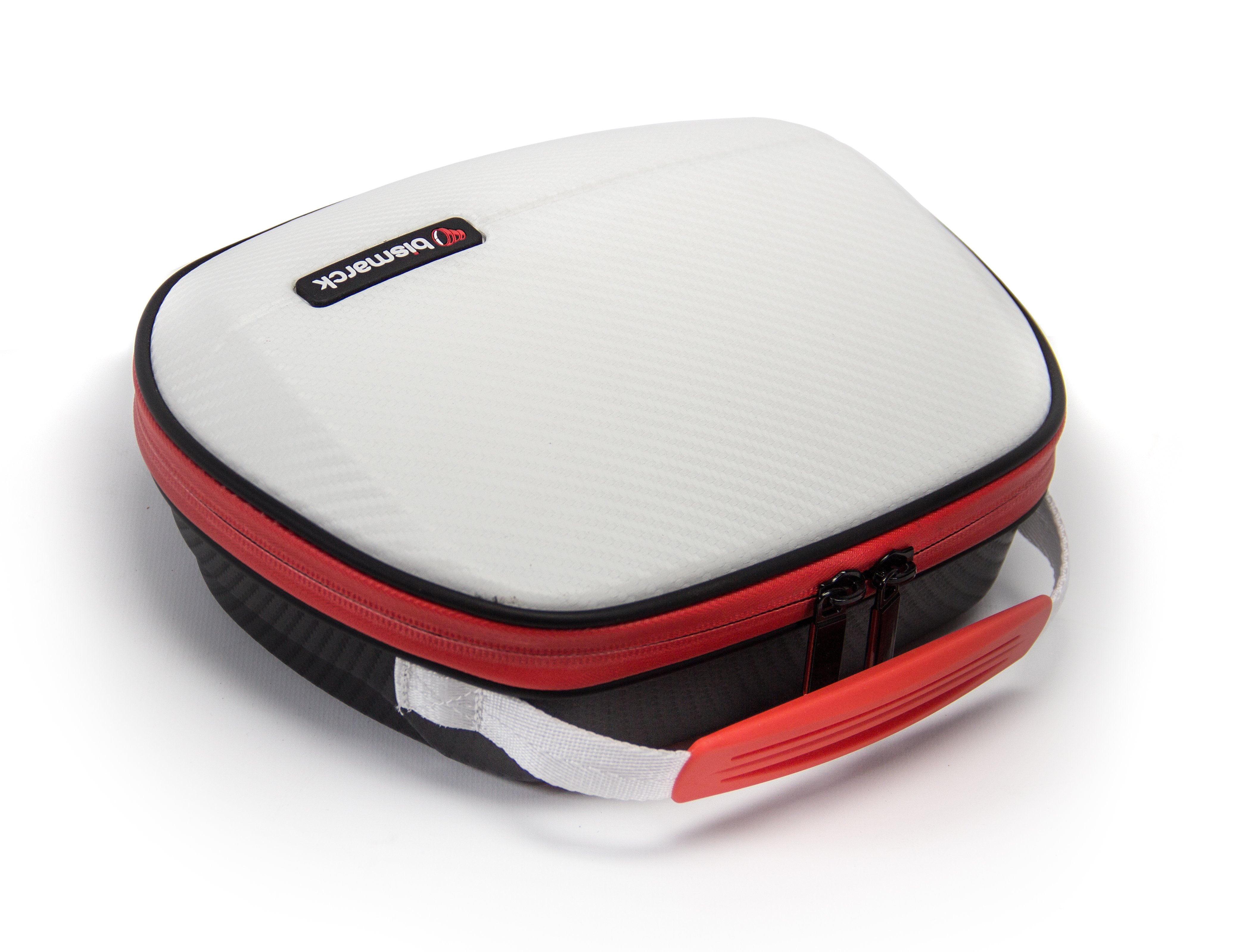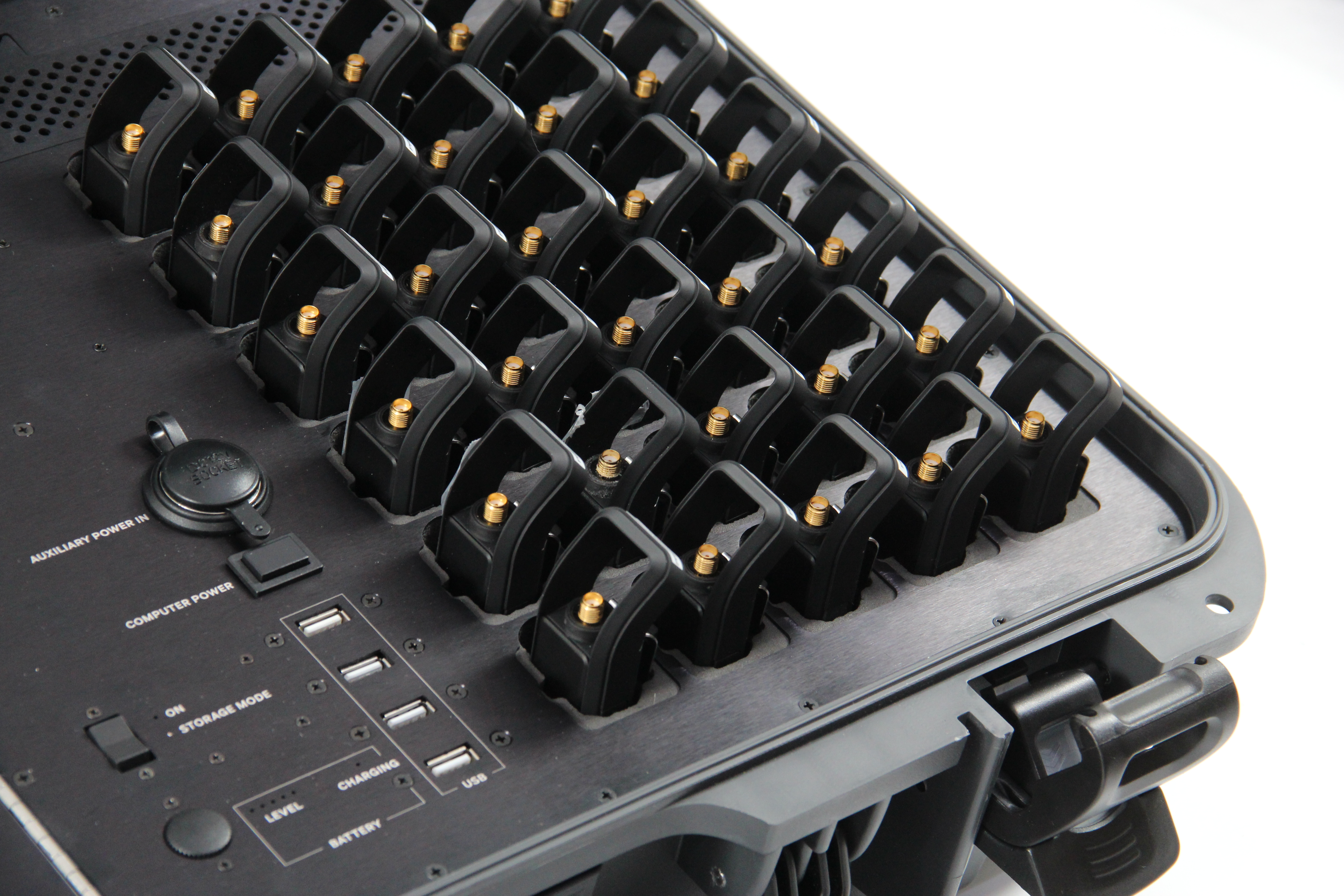



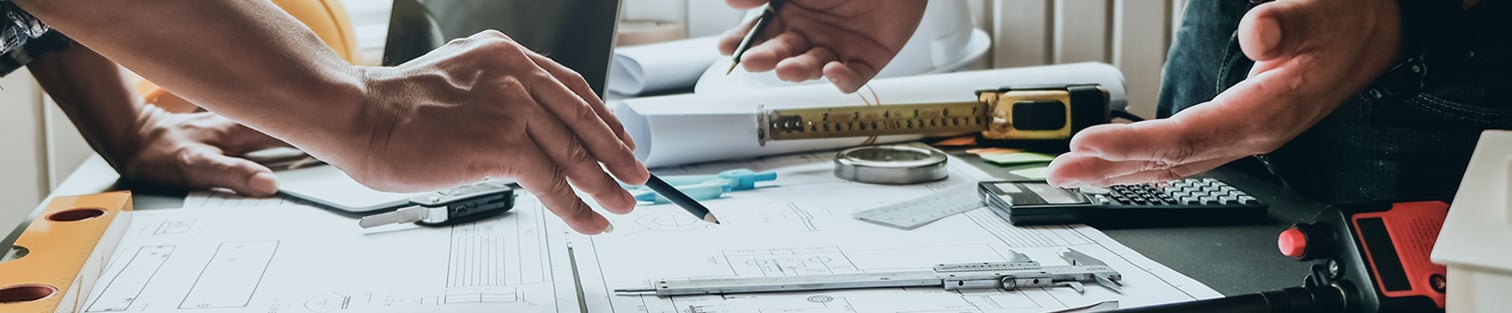
OEM projects and industrial cases represent a large and diverse group of our customers. They are some of the most rewarding design challenges because we partner with you to develop and create an integral component of your product.
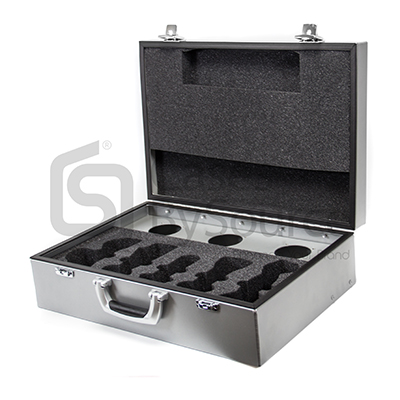
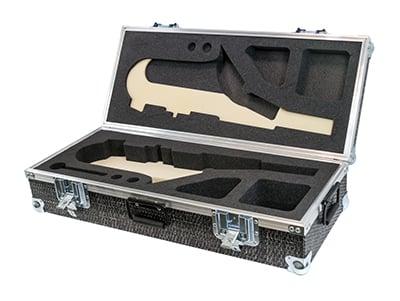
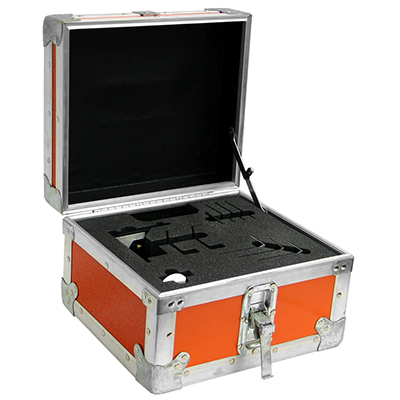
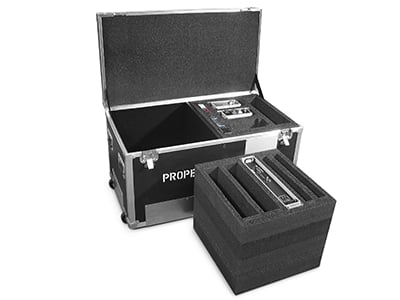
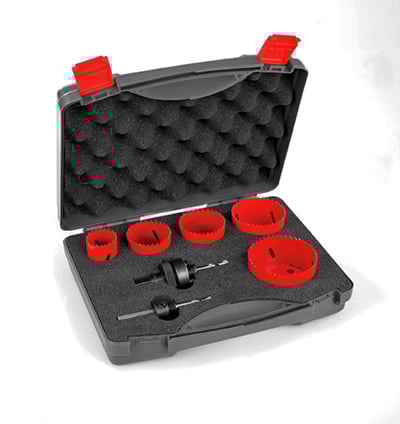
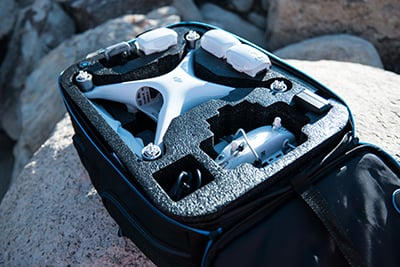
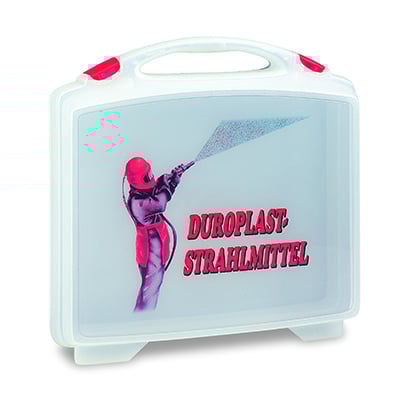
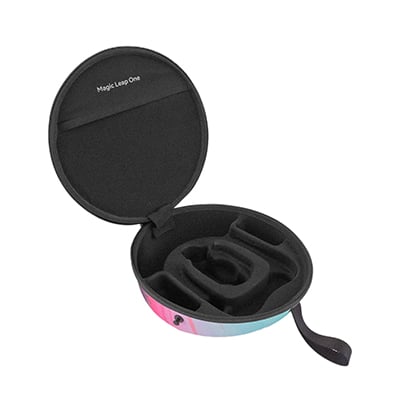
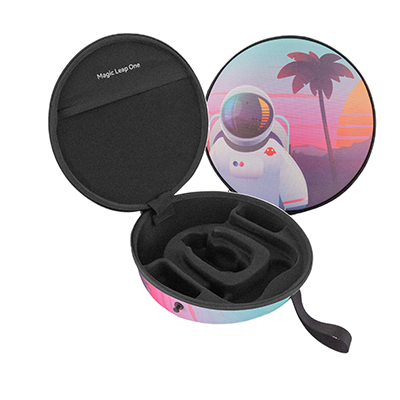
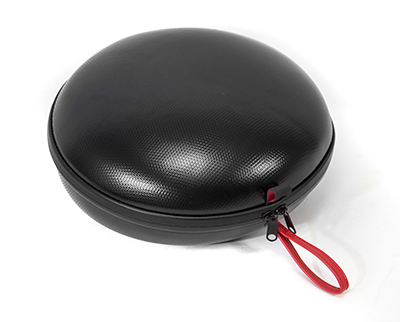
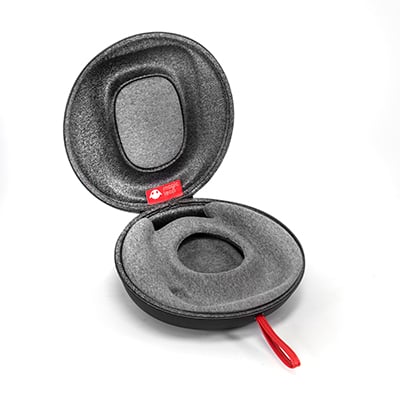
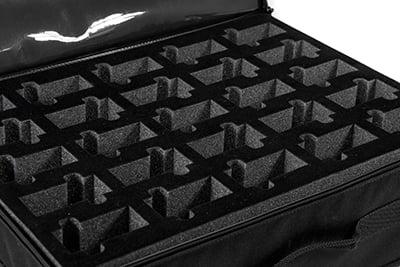
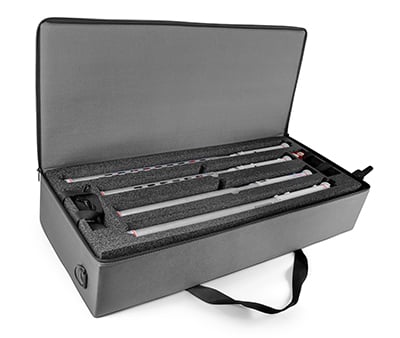
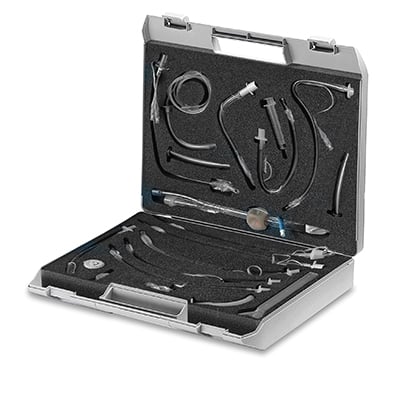
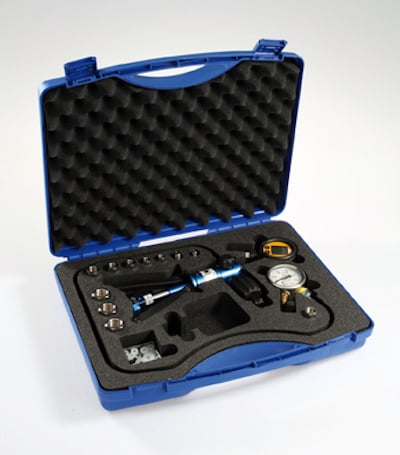
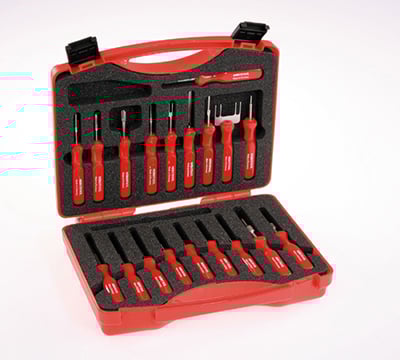
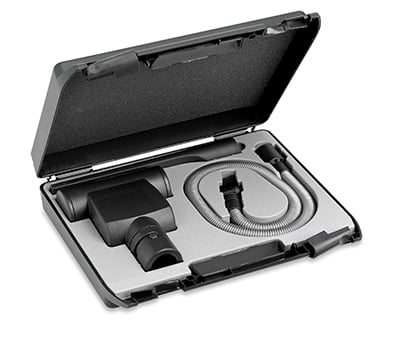
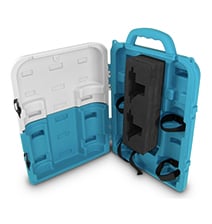
Size, weight, load, and shape of the components all have to be considered when reviewing possible solutions. Together we will determine if we will customize a stock case with a foam interior, or if a completely custom solution is required.
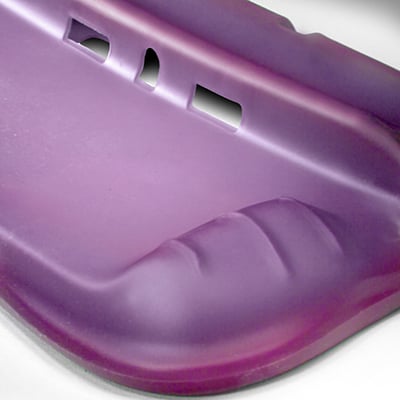
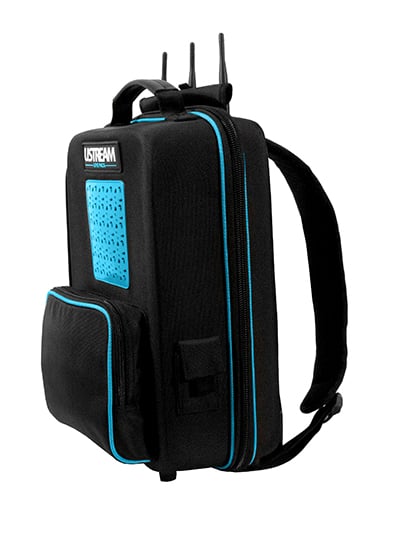
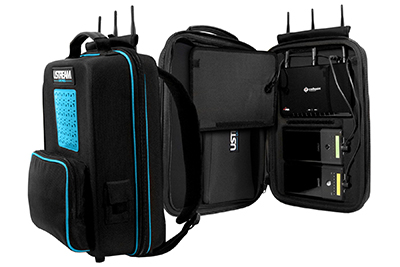
When going the custom route, we will present the advantages and drawbacks of injection molding, blow molding, roto molding, vacuum forming, welding, and traditional fabrication to best meet your project needs on time and within budget. We have had the opportunity to work with a wide range of companies such as Olympus, 3M, Praxair and BASF to name a few.

Our team collaborates with yours — helping build on your personal strengths while taking the lead in areas outside your wheelhouse (pun intended).
With access to various materials and manufacturing processes, we have the ability to help turn your pie-in-the-sky ideas into innovative and realized solutions.
We handle all the elements of the process you’d rather not. Where others may say, “Impossible!” or “uh?” — we make it happen. With 100% less need for Advil®.